Yellowstone National Park is home to magnificent wildlife, including the iconic American bison. However, a recent incident where a grandfather, Carl Isom McDaniel, was seriously injured has highlighted the importance of adhering to wildlife safety guidelines. This encounter emphasizes why keeping a safe distance from bison is crucial for your well-being while enjoying nature.
What Happened?
In early July 2026, Carl Isom McDaniel was enjoying a day in Yellowstone when he was unexpectedly launched eight feet into the air by a bison. Reports state he is recovering from surgery following the attack, but the incident has understandably caused alarm among visitors and local community members alike. Given the gravity of this situation, it's essential to discuss how to stay safe around bison and avoid similar encounters.
Understanding Bison Behavior
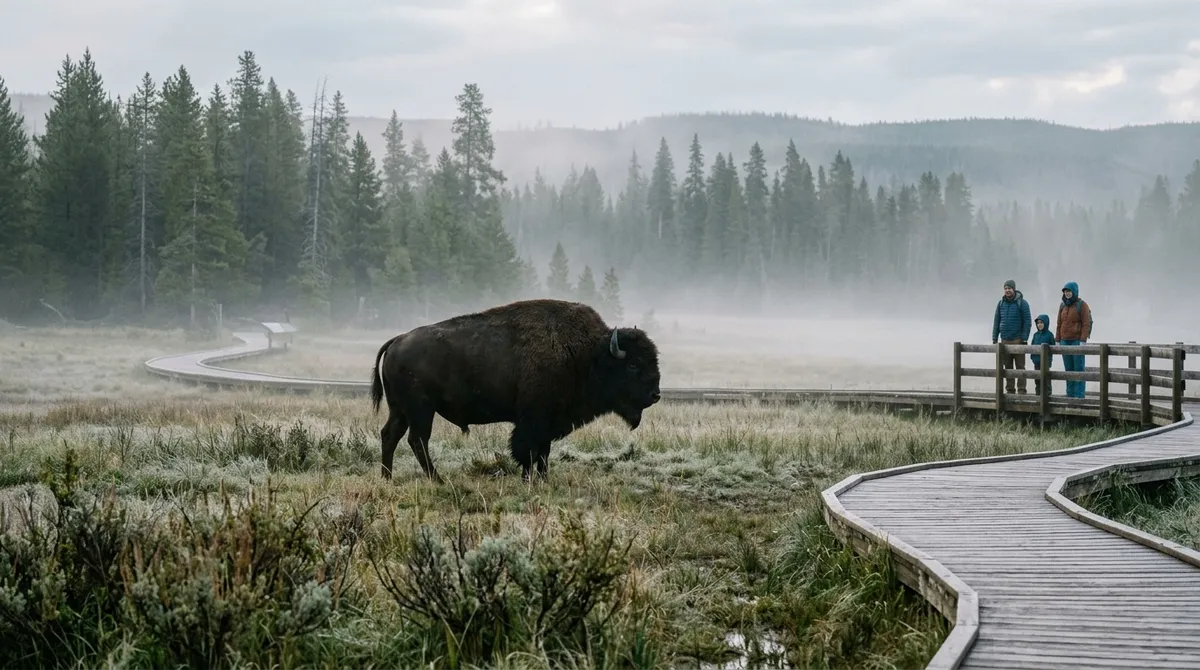
Bison are powerful animals and can weigh up to 2,000 pounds. They generally prefer to avoid human interaction, but if they feel threatened, they can charge. Understanding their behavior is key to ensuring your safety:
- Aggression is a Reaction: Bison typically flee from perceived threats, but if approached, they might stand their ground or charge.
- Protective Mothers: Female bison are particularly protective of their young calves. If you see a calf, it's best to keep your distance and not provoke the mother.
- Signs of Stress: If a bison raises its tail, snorts, or stomps its feet, it’s a clear indication you’re too close.
Safety Guidelines for Tourists
1. Maintain a Safe Distance
Always stay at least 25 yards (about 23 meters) away from bison. If you encounter a group, back away slowly and avoid any sudden movements. Maintain your distance to allow these wild animals their space.
2. Stay on Designated Paths
Stick to marked trails and boardwalks. Wildlife in Yellowstone is accustomed to humans staying on these paths, which reduces chances of unexpected encounters.
3. Use Binoculars or a Zoom Lens
For a closer view of bison, use binoculars or a camera with a zoom lens. This allows you to enjoy watching these majestic creatures without risking your safety.
4. Educate Yourself and Fellow Travelers
Before your trip, familiarize yourself and your fellow travelers with wildlife safety rules. Share these tips with others, especially children who may not fully understand the concept of distance.
Why These Tips Matter
The incident involving McDaniel serves as a poignant reminder of the risks associated with wildlife encounters. It highlights that while visiting national parks can be a fantastic experience, taking precautions is equally important.
Following the guidelines doesn’t only protect you, your family, and the wildlife; it also contributes to environmental stewardship and conservation efforts by ensuring that animals can live without the stress of human interference.
Conclusion
As you plan your next trip to Yellowstone, remember that nature is best enjoyed from a safe distance. By applying these safety tips, you can ensure a memorable and accident-free experience while appreciating the beauty of Yellowstone's wildlife. As the recovery of Carl Isom McDaniel continues, let it remind us all to respect the power and safety of these wild animals.