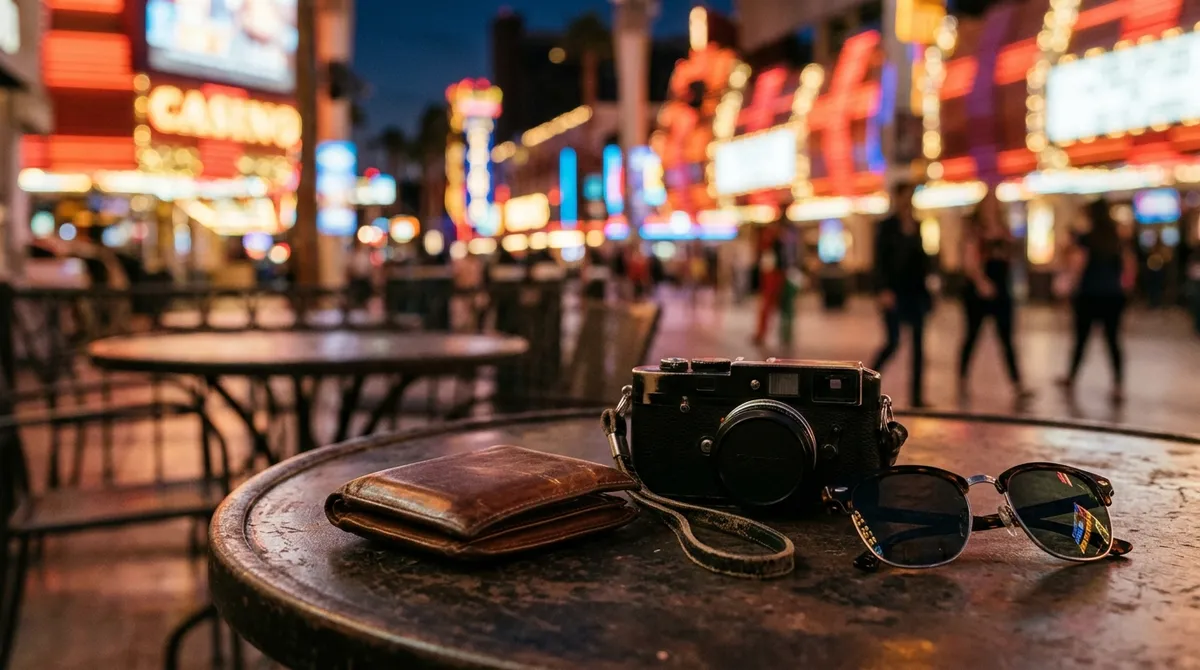
Short answer: no, you don't have to tip costumed performers on the Las Vegas Strip. Officials are now saying so on billboards, and this article will help you decide what to do when someone in a feathered headdress or a superhero suit expects cash for a photo.
What Las Vegas is telling visitors
Per Fox News, Clark County has put up billboard warnings along the Strip telling visitors that tips for costumed performers, street performances, or photos are not required. The campaign targets aggressive performers who pressure tourists for money. Fox News reports it follows an alleged violent dispute involving showgirl performers.
The details of that incident are still allegations, so treat it as context rather than a verdict on any individual performer. What matters for you is the message: you are under no obligation to pay.
Why this is happening now
According to the report, Las Vegas is facing scrutiny over rising costs and the overall tourist experience. Officials appear to be trying to protect the Strip's reputation and visitor confidence. The warning also taps into broader "tipping fatigue," the growing frustration with unclear or pushy payment expectations. It's our read that a visitor already feeling nickel-and-dimed is the person most likely to be soured by an awkward street encounter.
How to handle a photo request
The simplest rule: a photo is a transaction only if you agree to one.
- Decide before you pose. If you don't want to spend money, don't step in for the picture. Walking up to a performer is often read as an invitation.
- Ask first. A quick "Is this a tip-based photo?" removes the guesswork. It's a fair question, and a straight answer tells you a lot.
- Set your own amount. Since tipping isn't required, whatever you give is your choice. Carry small bills if you plan to tip, so you aren't pushed into handing over a larger note.
- Keep your phone and wallet separate. Hand your phone to a friend, not a stranger, and keep cash out of sight until you've decided.
What to do if someone pressures you
Pressure is the red flag, not the costume. If a performer demands money after you took a casual snapshot from a distance, or blocks your path, you can stay calm and still say no.
- Stay polite and brief. "No thanks, we're all set" works.
- Keep walking. You don't owe an explanation.
- Move toward a crowd or a venue entrance. Casinos, shops, and busy sidewalks give you space and, if needed, staff to approach.
- Don't escalate. Given the alleged violence that prompted the campaign, arguing on the sidewalk isn't worth it. If you feel unsafe, get to a public, staffed place.
Tourist trap red flags on the Strip
The performer warning is one example of a wider pattern. Watch for situations where:
- the price or expectation is never stated up front,
- someone sets the terms after you've already taken a photo or accepted something,
- you feel rushed, boxed in, or made to feel rude for declining.
Clear pricing and an easy exit are signs of a fair exchange. Their absence is your cue to step back.
Tipping fatigue is real, and you can still be generous
Not being required to tip doesn't mean tipping is wrong. Many performers work for tips, and if someone delivers a fun moment you enjoyed, rewarding it is your call. The point of the billboards is that the choice should be yours, made freely, not extracted under pressure.
Your move
Before you hit the Strip, decide your policy: tip when you chose the interaction and enjoyed it, walk away when you didn't. You don't owe anyone cash for a snapshot, and now the county is saying so in public.