A Forbidden Desert Wonder
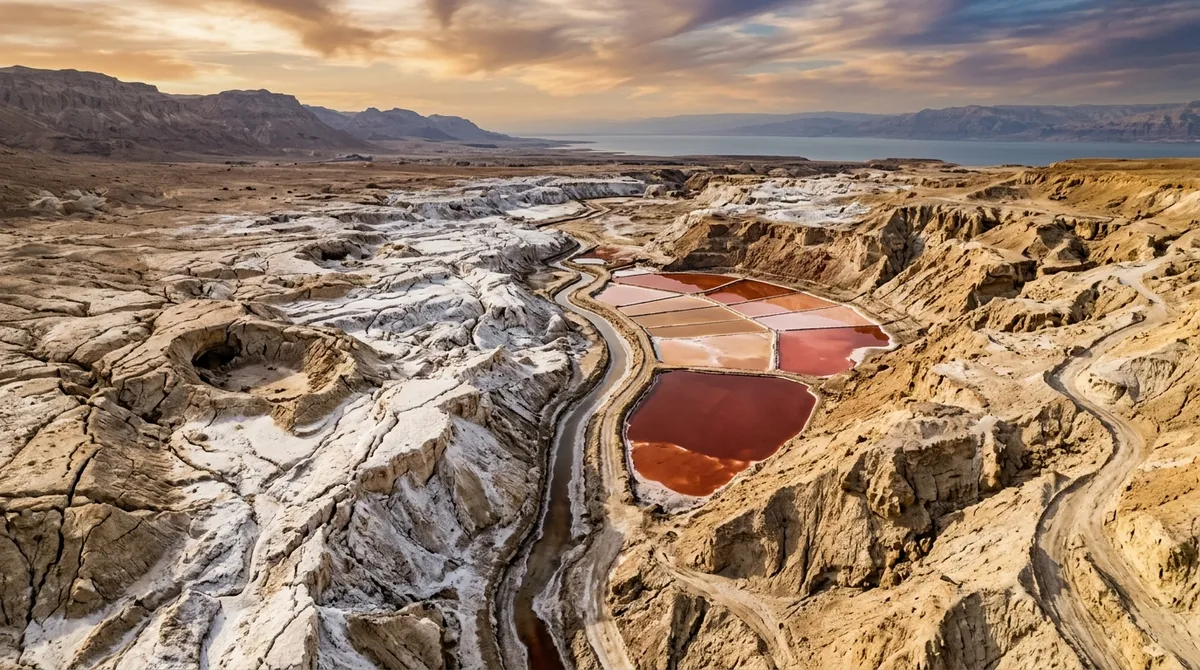
Deep within the Dead Sea region lies what locals call the "secret river"—a man-made canyon that resembles something from another planet. This extraordinary landscape, carved by brine flows from industrial evaporation ponds, features colorful salt pools and terrain so alien-like it appears almost fictional.
Drone photographer Arik Danino recently captured stunning aerial footage of this forbidden zone, revealing a world that few will ever see in person. The canyon, created as an unintended consequence of industrial salt processing, showcases how human activity can accidentally produce some of nature's most striking formations.
Why This Landscape Remains Off-Limits
The "secret river" sits within a closed military zone, making it completely inaccessible to tourists and most photographers. According to reports, the area is off-limits due to multiple serious hazards: active landmines, dangerous sinkholes that can swallow vehicles, and its proximity to the Jordan border.
These restrictions exist for good reason. The salt-crusted terrain surrounding the brine flows is notoriously unstable, with sinkholes appearing without warning. The industrial processes that created this landscape also left behind hazardous conditions that make exploration extremely dangerous, even for experienced adventurers.
The Challenge of Drone Photography in Extreme Conditions
Capturing footage of this remote location required overcoming significant technical challenges. Desert conditions in the Dead Sea region include intense winds that can destabilize drone equipment, extreme temperatures that affect battery life, and salt-laden air that can corrode electronic components.
Danino's successful documentation of the area highlights the growing capabilities of drone technology in extreme environments. However, it also underscores the importance of maintaining safe distances from restricted zones while still capturing compelling imagery.
An Accidental Ecosystem
What makes this location particularly fascinating is its origin story. The colorful pools and winding channels weren't designed as a tourist attraction or natural preserve. Instead, they emerged as a byproduct of industrial salt evaporation processes, creating an ecosystem that exists nowhere else on Earth.
The brine flows have carved intricate patterns into the desert floor, creating a network of channels and pools that shift in color from deep blue to vibrant orange and red, depending on mineral concentrations and algae growth. This accidental landscape demonstrates how industrial processes can sometimes produce unexpectedly beautiful results.
The Ethics of Documenting Dangerous Places
The stunning footage of the "secret river" raises important questions about adventure photography and responsible documentation. While the images provide valuable glimpses into otherwise inaccessible landscapes, they also highlight the tension between sharing natural wonders and potentially encouraging dangerous behavior.
Photographers and content creators working in extreme environments face the challenge of documenting these places without inspiring others to attempt unauthorized access. The real dangers present in restricted zones—from landmines to unstable terrain—make it crucial to emphasize safety over sensationalism.
What This Means for Adventure Travelers
For travelers drawn to unique landscapes and extreme destinations, the "secret river" represents both the allure and the limits of adventure tourism. While this particular site remains completely off-limits, it serves as a reminder that some of Earth's most extraordinary places exist beyond the reach of conventional travel.
The footage also highlights the growing importance of drone technology in documenting remote locations, allowing us to experience places that would otherwise remain completely hidden from view. As drone capabilities continue to improve, we can expect to see more stunning documentation of the world's most inaccessible landscapes.
The Dead Sea's "secret river" stands as a testament to the unexpected beauty that can emerge from industrial processes, while also serving as a stark reminder that not every natural wonder is meant to be visited. Sometimes, the most responsible way to experience these places is through the lens of skilled photographers willing to push the boundaries of their craft.